

Winter provides optimal conditions to begin female hair restoration in New Jersey. Cooler temperatures, reduced sun exposure, and lower scalp oil production help improve treatment outcomes while offering a more comfortable healing environment.
Starting therapies like PRP Hair Therapy, scalp microneedling, or low-level laser therapy during the colder months aligns with your hair’s natural growth cycle and allows for visible improvement by spring. At Rapaport Hair Institute in Englewood Cliffs, seasonal planning is built into every non-surgical program for women seeking to restore thinning hair without medication or surgery.
Why Winter Supports Better Hair Restoration Outcomes
Cooler weather reduces scalp inflammation and limits UV exposure, which protects treated follicles and improves skin recovery. These environmental shifts allow platelet-rich plasma (PRP) and KeraFactor Skincare to absorb more effectively into the scalp.
The winter season also provides practical benefits. With fewer outdoor activities and natural coverage from hats and scarves, patients experience greater privacy and flexibility between sessions.
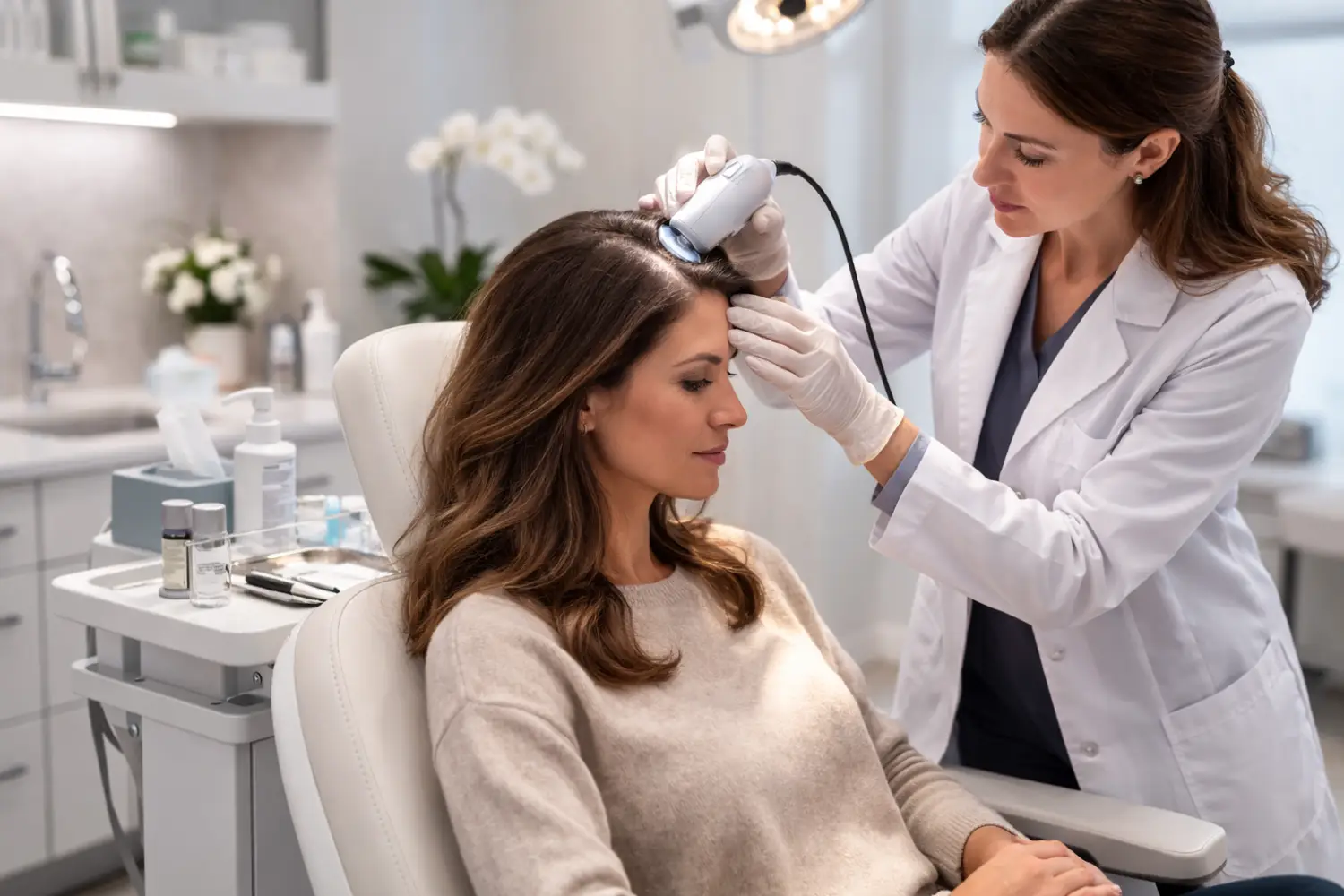
Rapaport Hair Institute’s Rapid PRP Protocol, a series of four monthly sessions, is designed to take advantage of this seasonal downtime. Pairing the protocol with HairMetrix Diagnostic Imaging gives patients an immediate, non-invasive view of follicle health and sets a clear, personalized starting point.
Winter Shedding or Pattern Baldness? Know the Difference
Seasonal shedding results from a natural shift in the hair growth cycle, typically causing increased telogen (resting) phase activity during late fall and winter. While common, this process is temporary and does not usually require medical intervention.
Female pattern baldness, in contrast, progresses gradually and leads to permanent thinning across the top and crown. This form of hair loss involves a hormonal component and worsens without targeted therapy.
In addition to seasonal and hormonal factors, rapid weight loss associated with GLP-1 medications such as semaglutide can trigger telogen effluvium, a temporary form of shedding caused by metabolic stress on the hair growth cycle.
HairMetrix AI imaging differentiates between these two conditions in a single visit, with no clipping, pulling, or biopsy required. It identifies the density, health, and growth phase of every hair follicle and allows Dr. Jeffrey Rapaport to design a treatment plan that addresses the root cause, not surface symptoms.
The Winter-to-Summer Hair Growth Timeline
Winter treatment leads to spring results. PRP Hair Therapy activates follicles within the first 4–6 weeks and produces visible hair growth by month three. This timeline positions patients to see meaningful change by late spring or early summer.
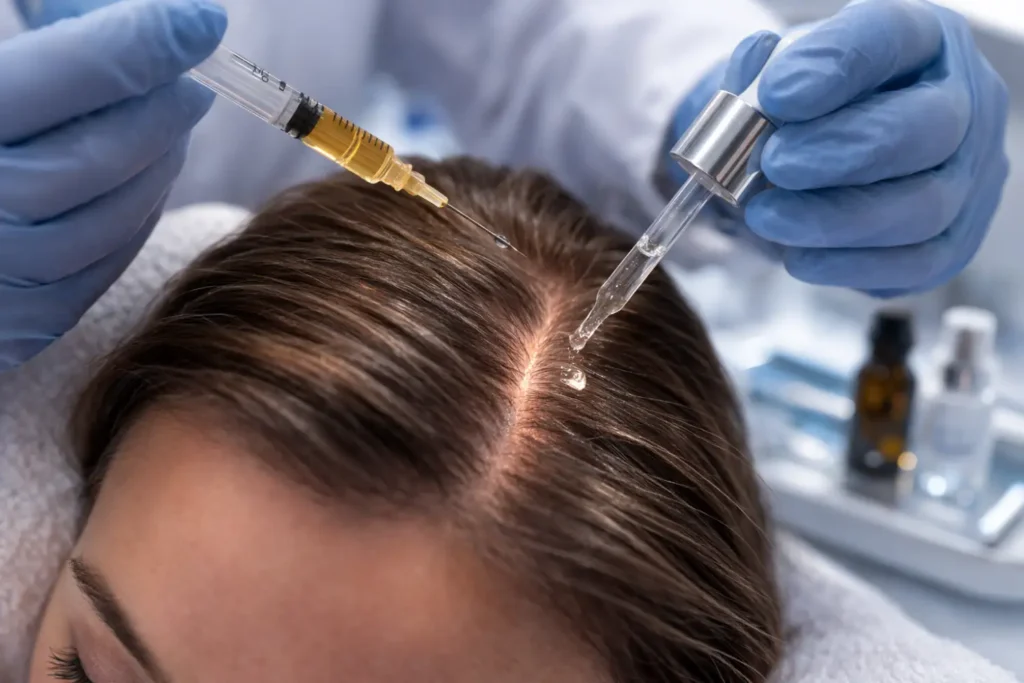
Each session in the Rapid PRP Protocol builds upon the previous one, stimulating regenerative activity in the scalp. When combined with scalp microneedling, PRP penetrates deeper and triggers a more consistent follicular response.
This sequence works best when uninterrupted, making winter, when patients often have fewer scheduling conflicts, an ideal time to begin.
Combine Therapies to Accelerate Growth
Layered treatments during winter amplify results. Rapaport Hair Institute offers low-level laser therapy (LLLT), KeraFactor growth serums, and scalp microneedling to complement PRP and extend its effectiveness.
- LLLT uses red-light wavelengths to increase oxygen flow and cellular energy at the follicle base.
- KeraFactor Skincare for Hair delivers biomimetic growth factors via nanoliposomes under 200nm, allowing high absorption even in dry winter scalps.
- Microneedling improves scalp permeability, enabling both PRP and KeraFactor to reach deeper skin layers where follicles regenerate.
- REVIVV by weThriv provides daily follicle support between professional treatments.
- Minoxidil helps stimulate follicles and support fuller-looking hair growth over time.
Each modality is non-surgical, drug-free, and tailored to your unique diagnostic profile through HairMetrix. Treatments work independently but offer exponential benefit when used together in a structured, physician-directed program.
Tailored Winter Programs at Rapaport Hair Institute
Every treatment at Rapaport Hair Institute begins with two essential tools: HairMetrix Diagnostic Imaging and a patient-specific Hair Restoration Survey. These form the foundation of a custom winter plan focused entirely on non-surgical options for women.
Treatment combinations are selected based on your follicular density, anagen-to-telogen ratio, and hormonal profile. For women with diffuse thinning, PRP is often paired with KeraFactor serum or LLLT for optimal follicle stimulation. Women experiencing shedding after rapid weight loss, including those using GLP-1 medications such as Ozempic or Wegovy, may develop temporary telogen effluvium that responds well to regenerative therapies like PRP and KeraFactor. If hormonal sensitivity is identified, Dutasteride Mesotherapy may be offered as a localized, low-risk option to reduce DHT activity at the scalp level without systemic side effects.
Each winter program includes ongoing measurement using HairMetrix to track visible changes across every centimeter of the scalp. Adjustments are made based on data, not guesswork, giving you a plan that adapts to how your scalp responds over time.
What to Expect by Spring: Visible Change, Measurable Progress
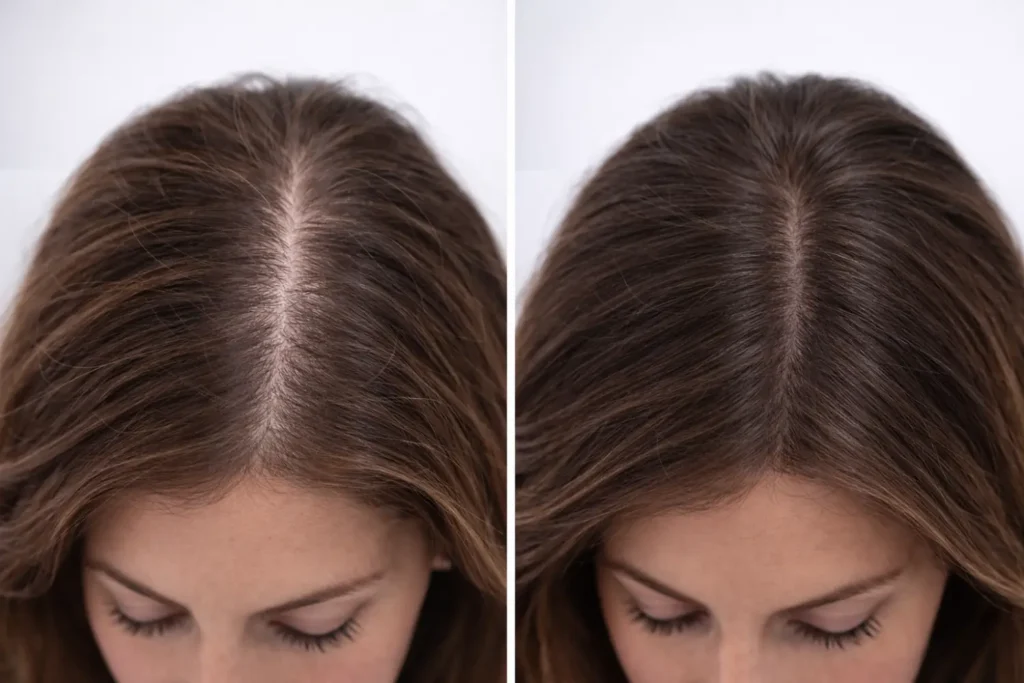
Patients starting hair restoration in winter often reach their first visible milestones by spring. These include reduced shedding, soft regrowth along part lines, and improved hair texture.
By 3–4 months, HairMetrix will show increased anagen-phase activity and higher follicle counts. For most women, this means thicker ponytails, less scalp visibility, and a return of hair styling flexibility by early summer.
Progress is monitored throughout, allowing for reinforcement treatments if needed, or a shift into maintenance mode once peak density is reached.
Start Your Winter Hair Restoration Journey Now
Seasonal timing shapes success. Starting female hair restoration in New Jersey during the colder months offers a strategic advantage in both comfort and clinical outcomes.
Rapaport Hair Institute’s non-surgical programs, led by board-certified dermatologist Dr. Jeffrey Rapaport, give women a data-driven, drug-free path to regrowth without waiting for symptoms to worsen.
If you’re seeing more hair in your brush, noticing widening part lines, or recovering from post-COVID shedding, winter is the right moment to act.
Schedule your HairMetrix evaluation today and begin a personalized plan that prepares your hair for fuller, healthier growth by spring.
Frequently Asked Questions
Can hair restoration treatments help with postpartum shedding?
Yes. Postpartum shedding is temporary, but treatments like PRP and KeraFactor can accelerate recovery by stimulating dormant follicles and restoring density, especially when started within six months after childbirth or weaning.
Is it safe to use hair growth therapies during winter illness or flu season?
Yes. Treatments like PRP and LLLT do not suppress immunity and are localized. If you’re ill, sessions can be rescheduled, but winter illnesses do not interfere with the biological effectiveness of therapies.
Can GLP-1 medications cause hair loss?
Yes. Rapid weight loss associated with GLP-1 medications such as semaglutide (Ozempic or Wegovy) can trigger telogen effluvium. This condition pushes more follicles into the resting phase, leading to temporary shedding several months after weight loss begins.
Can low-level laser therapy be used at home during winter?
Yes. FDA-cleared laser caps and combs are ideal for home use during colder months. Consistent application, typically 3 to 5 times per week, supports follicle health and complements in-office PRP sessions.
Does winter dryness affect the scalp’s ability to absorb treatments?
Dry winter air can make the scalp more absorbent. Treatments like KeraFactor, delivered via nanoliposomes, penetrate deeper in low-humidity environments, making winter an optimal time for improved serum delivery.
How long should I wait after PRP before wearing hats or scarves?
Wait 24 hours after a PRP session before wearing tight hats or scarves. After that, loose-fitting winter headwear is safe and helps protect the scalp during recovery and regrowth.