

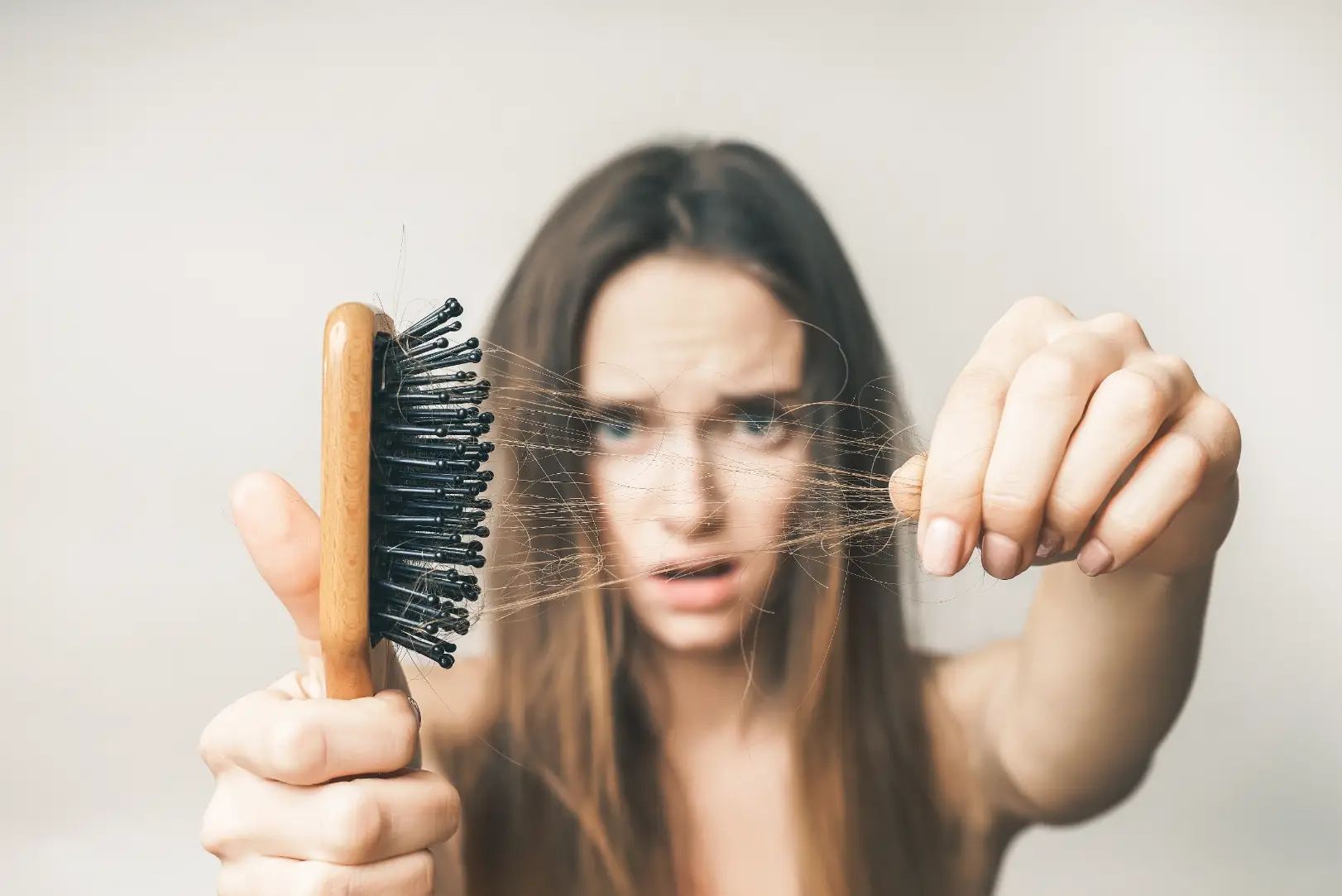
Hair loss can feel deeply personal. It may begin with a few extra strands in the shower, a brush that seems fuller than usual, or a widening part that suddenly catches your attention under bright light. For some patients, the change happens slowly over years. For others, it feels as if the shedding appears almost overnight.
What makes hair loss so frustrating is that there is rarely one simple explanation. Stress, hormones, genetics, nutritional shifts, illness, medications, aging, and scalp health can all play a role. Sometimes, more than one factor is happening at the same time, which is why guessing at the cause can lead to months of wasted time and disappointing products.
That is where professional hair loss treatment can help. Rather than treating all thinning hair the same way, a thoughtful approach begins by identifying what may be driving the change. Once the cause is better understood, treatment can be tailored to support the scalp, strengthen follicles, and help patients move toward healthier-looking growth.
If you are trying to understand whether your hair loss is related to stress, hormones, genetics, or another factor, this guide will help you recognize key patterns and know when it is time to seek expert support.
What Are Hair Loss Treatments?
Hair loss treatments are professional therapies designed to support thinning hair, weakened follicles, and reduced density by addressing the underlying factors that may be contributing to shedding or miniaturization.
Because hair loss can come from different causes, treatment should not be one-size-fits-all. Some patients need regenerative stimulation. Others need hormonal support, scalp-focused care, or a combination of in-office and at-home treatments.
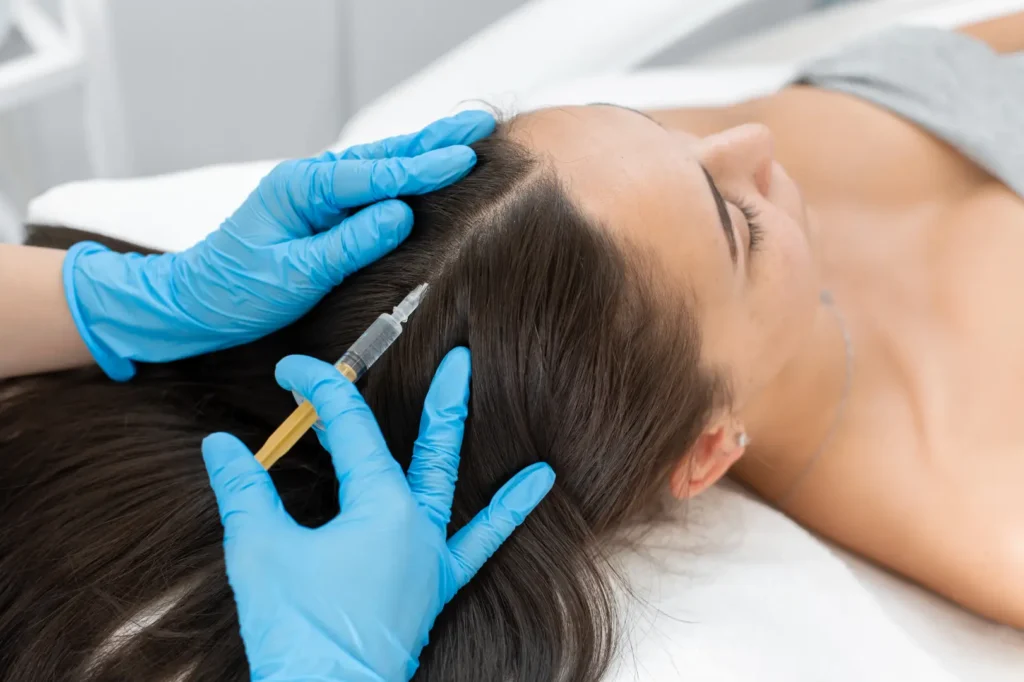
Platelet-rich plasma, often called PRP, uses components from a patient’s own blood to deliver growth factors to the scalp. It is commonly used to support weakened follicles, improve hair quality, and encourage healthier-looking growth.
Dutasteride Mesotherapy is another advanced option that may be used in certain patients where hormone-related hair loss is a concern. By addressing the hormonal pathway involved in follicle miniaturization, it may help support a more strategic treatment plan.
You can also consider exosome therapy, a regenerative option that delivers cell-signaling molecules to the scalp to support tissue repair and follicle function. While research is still evolving, exosomes may help create a healthier environment for hair growth and are often incorporated into personalized hair restoration plans alongside other treatments.
The best hair loss treatment begins with understanding why the hair is thinning in the first place.
The Power of Exosome
You can also consider exosome therapy, a regenerative option designed to deliver cell-signaling molecules to the scalp. These biological messengers may help support communication between cells involved in tissue repair and normal follicle activity, creating a scalp environment that is more supportive of healthier hair growth. While research into exosomes for hair restoration is still evolving, the treatment may be considered for patients experiencing certain forms of thinning or weakened follicle activity.
Rather than functioning as a standalone answer for every type of hair loss, exosome therapy can be incorporated into a personalized restoration plan based on the underlying cause, degree of thinning, and condition of the follicles. It may be performed individually or combined with other hair restoration treatments when a more comprehensive regenerative approach is appropriate.
The Hair Clue Map
Hair loss patterns tell a story. The timing, location, amount of shedding, and pace of change can all help reveal what may be happening beneath the surface.
1. Sudden Shedding May Point to Stress
If your hair loss seems to appear suddenly, stress may be part of the picture. Stress-related hair loss often shows up as increased shedding rather than a clearly receding hairline or bald patch. Patients may notice hair falling out in handfuls during washing, brushing, or styling. The scalp may look thinner overall, but the shedding is usually more diffuse.
This type of hair loss is often associated with telogen effluvium, a condition where a larger number of hairs shift into the resting phase of the growth cycle after a physical or emotional trigger.
Common triggers may include:
- Major emotional stress
- Surgery
- High fever
- Illness
- Rapid weight loss
- Significant life changes
- Severe sleep disruption
- Postpartum changes
Hair loss from stress does not always happen immediately. It may appear two to three months after the triggering event, which is why patients sometimes struggle to connect the cause with the shedding.
The encouraging part is that telogen effluvium may improve once the trigger is addressed, but professional evaluation can help support recovery and rule out other causes.
2. Gradual Thinning May Suggest Genetics
Genetic hair loss usually has a slower, more predictable pattern. Androgenetic alopecia is the medical term often used for hereditary hair thinning. In men, it may appear as male pattern baldness, with recession at the temples, thinning at the crown, or a gradually receding hairline.
In women, female pattern hair loss often appears as a widening part, reduced density at the top of the scalp, or diffuse thinning, while the frontal hairline may remain mostly intact. Hereditary hair loss does not mean there is nothing that can be done. It simply means the follicles may be genetically sensitive to hormonal signals that cause miniaturization.
Over time, affected follicles produce finer, shorter hairs until density becomes noticeably reduced. Because genetic hair loss is progressive, early treatment matters. The sooner patients begin supporting vulnerable follicles, the better the chance of preserving existing density and slowing visible thinning.
3. Hormonal Changes Can Shift the Hair Cycle
Hormones play a powerful role in hair growth. Hormonal hair loss may occur when changes in estrogen, testosterone-related pathways, thyroid function, or other hormones affect the follicle environment. Patients may notice shedding, thinning, texture changes, or hair that no longer grows with the same strength.
For women, menopause hair loss is especially common. As estrogen levels decline, hair may become thinner, drier, or more fragile. Some patients notice increased shedding, while others see gradual density loss around the crown or part line. Hormonal changes may also occur after pregnancy, with thyroid imbalance, during perimenopause, or alongside conditions that affect androgen levels.
When hormones are involved, treatment should be thoughtful. Simply adding a topical product may not be enough if the internal environment continues to affect the follicles.
4. A Widening Part Often Signals Pattern Hair Loss
One of the most common complaints among women is a part that looks wider than they used to. This can be an early sign of female pattern hair loss. The change may be subtle at first. Patients may notice more scalp showing in photos, more difficulty styling the crown, or less coverage when hair is pulled back.
Unlike sudden shedding, pattern hair loss often progresses slowly. This makes it easy to ignore until the density change becomes more obvious. PRP and other professional hair loss treatments may be considered when follicles are still active but weakened. The goal is often to support healthier follicle function before thinning becomes more advanced.
5. A Receding Hairline May Point to Male Pattern Baldness
For men, hair loss often begins at the temples or crown. Male pattern baldness is usually driven by genetic sensitivity to dihydrotestosterone, also known as DHT. DHT can cause follicles to shrink over time, leading to shorter, finer hair and eventually visible thinning.
Patients may first notice that their hairline looks less defined, the temples are receding, or the crown appears thinner in overhead lighting. Dutasteride Mesotherapy may be discussed in certain treatment plans because dutasteride targets the hormonal pathway involved in DHT production.
Not every patient is a candidate, but for hormone-driven loss, this type of approach may be part of a more comprehensive strategy.
6. Diffuse Thinning May Have Multiple Causes
Not all hair loss follows a neat pattern. Some patients experience diffuse thinning across the entire scalp. This can happen with telogen effluvium, nutritional deficiencies, thyroid concerns, medication changes, inflammatory scalp conditions, or chronic stress.
Diffuse thinning can be especially frustrating because it may not have one obvious location. Patients may simply feel like their hair volume has decreased everywhere. This is where professional evaluation becomes important.
The provider may ask about medical history, lifestyle changes, recent illnesses, diet, medications, family history, and shedding timeline. A good treatment plan begins by narrowing down the most likely contributors.
7. Breakage Is Not the Same as Shedding
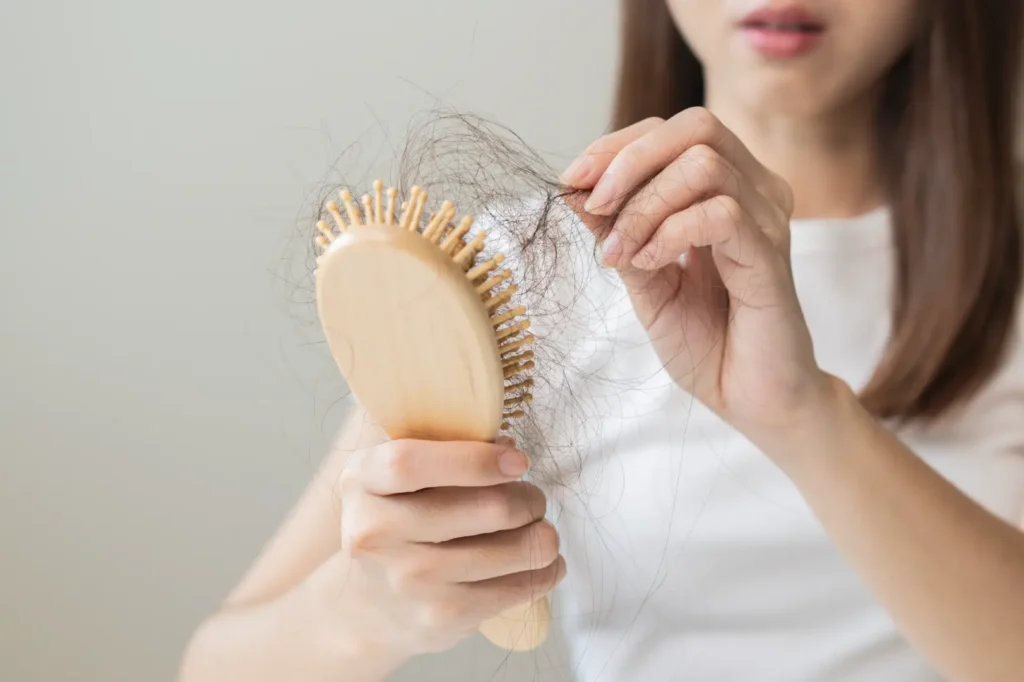
Some patients believe they are losing hair from the root, but the issue may actually be breakage. Shedding usually involves hair falling from the follicle, often with a small bulb at the end. Breakage happens when strands snap along the hair shaft.
It may be caused by heat styling, chemical processing, tight hairstyles, harsh brushing, or fragile hair texture. Breakage can make hair look thinner even when the follicles are still producing hair normally. The treatment approach differs. Breakage requires strengthening, protection, and hair care changes, while true follicle-related hair loss may require scalp and follicle support.
8. Scalp Health Can Influence Growth
The scalp is the soil where hair grows. Inflammation, dandruff, buildup, oil imbalance, itching, flaking, or untreated scalp conditions can affect the environment around the follicle. Even if the main cause of hair loss is genetic or hormonal, poor scalp health can make the situation worse.
Patients should pay attention to symptoms such as:
- Itching
- Burning
- Scaling
- Redness
- Tenderness
- Excess oil
- Persistent flakes
A healthy scalp does not guarantee perfect hair growth, but an irritated scalp can create an obstacle. Hair loss treatment should consider the scalp condition as part of the overall plan.
A Smarter Way to Treat Hair Loss
Hair loss can be caused by stress, hormones, genetics, health changes, scalp issues, or several factors at once. Understanding the pattern is the first step toward choosing the right care. Whether the concern is stress-related hair loss, telogen effluvium, hormonal hair loss, menopause hair loss, androgenetic alopecia, male pattern baldness, female pattern hair loss, or hereditary hair loss, the most effective approach begins with clarity.
At Rapaport Hair Institute in New Jersey, patients can explore advanced hair loss treatment options such as platelet-rich plasma hair restoration and dutasteride mesotherapy within a thoughtful, personalized plan.
Hair loss is not something patients have to navigate alone. With the right evaluation, the right strategy, and the right timing, healthier-looking hair can begin with understanding what your scalp and follicles are trying to tell you.
Contact us today to schedule your appointment!