

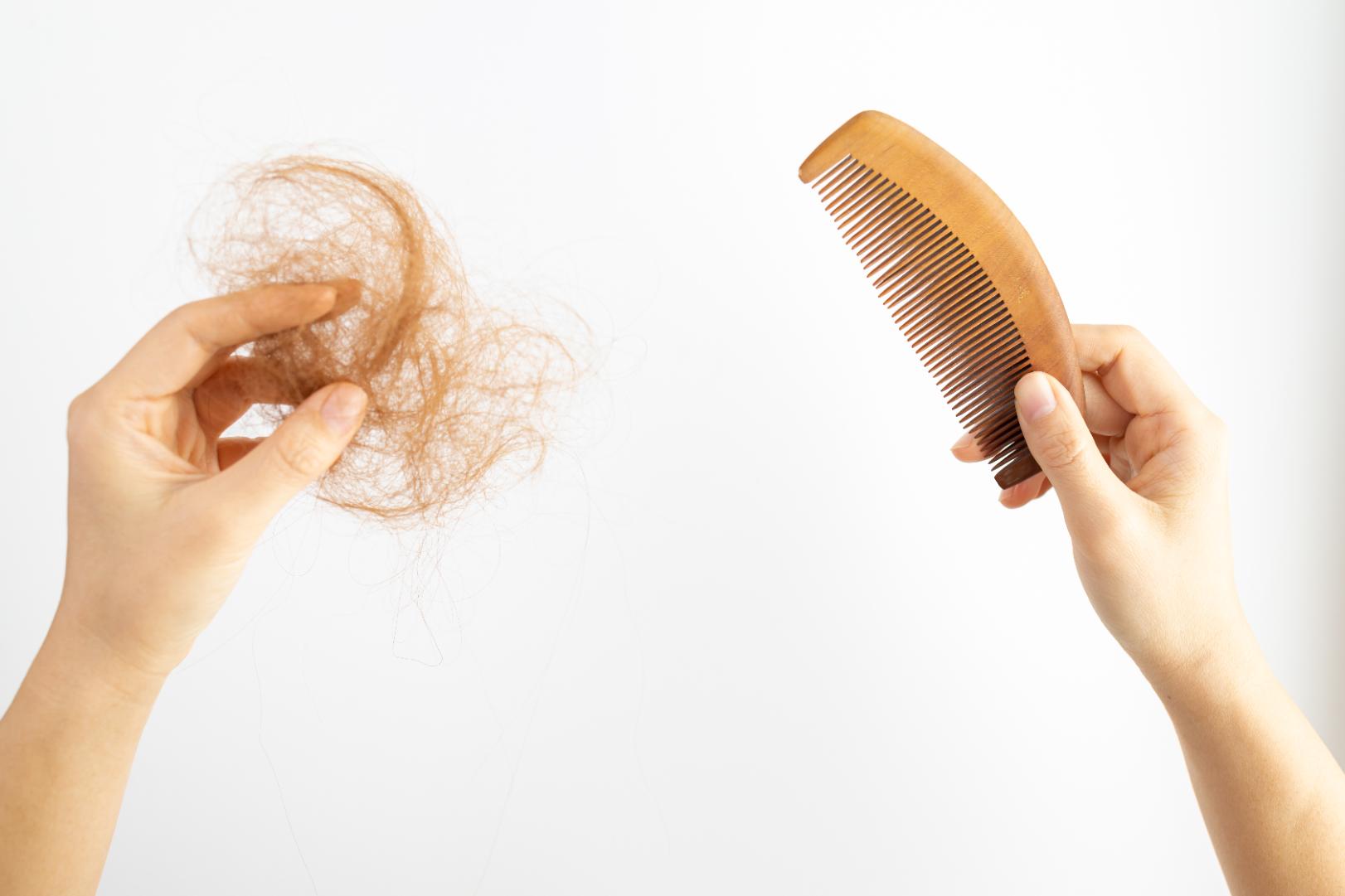
Becoming a mother changes your life in countless ways, but finding handfuls of hair in your shower probably wasn’t one of the changes you expected. One day, you’re enjoying the thick, beautiful hair you had during pregnancy. A few months later, your brush seems to collect more strands than ever, and your once-full ponytail suddenly feels thinner.
Although postpartum hair loss can be unsettling, it’s often a temporary response to hormonal changes following childbirth. However, not every case of excessive shedding should be dismissed as a normal part of motherhood. When hair doesn’t recover as expected, professional evaluation and appropriate treatments can help identify the cause and support healthier regrowth.
Understanding the difference between normal shedding and persistent thinning is the first step toward protecting your hair health. Continue reading to discover what happens after pregnancy, when shedding typically stops, and which warning signs deserve closer attention.
7 Things to Know About Postpartum Hair Loss
Your hair follows its own biological schedule, even while your body adjusts to life after pregnancy. These important facts can help you understand which changes are expected and when additional support may be worthwhile.
1. Shedding Usually Starts Months After Delivery
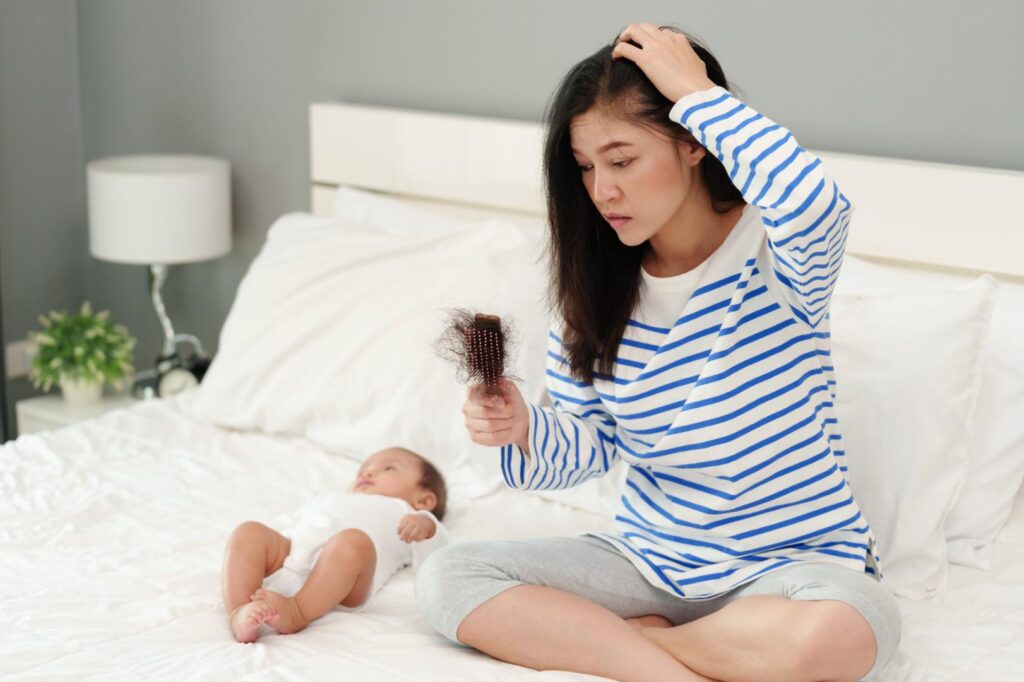
Many new mothers expect hair changes to happen immediately after childbirth. Surprisingly, the most noticeable shedding often doesn’t begin until approximately two to four months after delivery.
During pregnancy, elevated estrogen levels keep more hair follicles in their growth phase. This means fewer strands enter the resting and shedding stages, which can make your hair appear thicker than usual.
After childbirth, estrogen levels decline, allowing many follicles to transition into the resting phase around the same time. Several weeks later, those hairs begin shedding, sometimes creating the impression that you’re losing an alarming amount of hair overnight.
This temporary condition is called telogen effluvium, and it’s one of the most common explanations for hair loss after pregnancy. The sudden increase in shedding reflects a shift in the hair growth cycle rather than permanent damage to the follicles.
Although the amount of hair in your brush may look concerning, this delayed response is often a normal part of postpartum recovery.
2. Shedding Often Peaks Around Four Months
The postpartum shedding timeline varies between individuals, but many women notice the heaviest shedding approximately four months after giving birth. Some experience an earlier peak, while others don’t recognize significant thinning until several months later.
During this period, loose strands may appear everywhere, from your pillowcase to your clothing. Washing your hair can feel particularly stressful because several days’ worth of naturally shed strands may become visible at once.
Fortunately, heavy shedding doesn’t necessarily mean your follicles have stopped producing new hair. Many are already preparing to enter another growth phase, even though visible regrowth takes time.
Hair grows gradually, so the improvement may not be immediately noticeable. As the shedding slows, short new hairs may begin appearing around the forehead and temples.
Rather than judging your progress by how much hair comes out during a single shower, pay attention to changes over several months. A gradually decreasing shedding rate is generally more meaningful than an occasional difficult hair-washing day.
3. Most Women Recover Within a Year
One of the biggest concerns surrounding postpartum shedding is whether your hair will ever return to its previous fullness. For many women, the answer is reassuring because pregnancy-related shedding usually improves naturally.
Most cases begin settling within several months, with hair fullness often recovering around the baby’s first birthday. However, the exact timeline depends on your natural hair cycle, overall health, and whether other factors contribute to thinning.
Patients frequently ask, “When does postpartum hair loss stop?” While there isn’t one exact date, persistent heavy shedding beyond the expected recovery period deserves further investigation.
It’s also important to distinguish reduced shedding from complete restoration of hair length. Even after normal growth resumes, shorter regrowing strands need additional time to reach the length of surrounding hair.
Someone with long hair may therefore notice differences in volume for longer than someone with a shorter hairstyle. This doesn’t automatically indicate an ongoing medical problem. If your hair continues thinning or shows little improvement after approximately 12 months, a dermatologic assessment can help determine whether another condition is involved.
4. Thinning Around the Hairline Is Common
Postpartum shedding doesn’t always appear evenly distributed across the scalp. Many women first notice changes around their temples, forehead, and part line, where reduced density can be particularly visible.
You might notice that your usual hairstyle no longer provides the same coverage. Pulling your hair back may reveal thinner areas around the edges, even though shedding is occurring throughout the scalp. As regrowth begins, small hairs often emerge along the hairline. These short strands can be frustrating to style, but they may indicate that follicles are returning to their normal growth cycle.
However, not every receding or thinning hairline is caused by postpartum telogen effluvium. Tight hairstyles, hereditary hair loss, and certain inflammatory scalp conditions can produce similar-looking changes. Repeated tension from tight ponytails, braids, or extensions may contribute to traction alopecia. This condition can become persistent when the pulling continues for an extended period.
If your hairline appears progressively thinner, especially with broken hairs or scalp irritation, professional evaluation is worthwhile. Identifying the cause early may help prevent additional damage.
5. Hormones Aren’t Always the Only Factor
Hormonal changes explain much of the typical postpartum shedding process, but they aren’t the only influences on hair health. Pregnancy, delivery, breastfeeding, and the demands of caring for a newborn can affect the body in several ways.
Iron deficiency is one important consideration, particularly after substantial blood loss during childbirth. Low iron stores may contribute to shedding, fatigue, and other symptoms that deserve medical attention.
Thyroid changes can also occur during the postpartum period. Postpartum thyroiditis, for example, may cause temporary thyroid dysfunction and symptoms that include hair changes, fatigue, and changes in weight or temperature tolerance.
Nutritional deficiencies, significant stress, illness, and certain medications may also influence the hair growth cycle. These factors can overlap with normal postpartum shedding, making the underlying cause less obvious.
A clinician may recommend blood tests when symptoms suggest an additional medical concern. Depending on your history, evaluation could include thyroid function, a complete blood count, and iron studies.
Addressing an underlying deficiency or hormonal condition is often more useful than trying multiple hair products without understanding why shedding is occurring.
6. Stress Can Complicate Hair Recovery
Caring for a newborn is rewarding, but it can also involve interrupted sleep, physical exhaustion, and emotional adjustments. These experiences don’t automatically cause hair loss, but significant physical or emotional stress can contribute to telogen effluvium.
The body may respond to major stressors by shifting additional follicles into their resting phase. Because hair shedding is delayed, the effects may not become visible until several months after the triggering event.
This means postpartum shedding and stress-related shedding can sometimes overlap. A mother recovering from a difficult delivery, illness, or substantial nutritional changes may notice a more prolonged period of thinning.
However, it’s important not to assume that stress explains every case of persistent hair loss. Medical conditions and hereditary patterns can also emerge during the postpartum period.
Recognizing the potential role of stress can help guide supportive changes without overlooking other explanations. When symptoms continue, a professional assessment provides a clearer picture than self-diagnosis.
7. Breastfeeding Doesn’t Automatically Cause Hair Loss
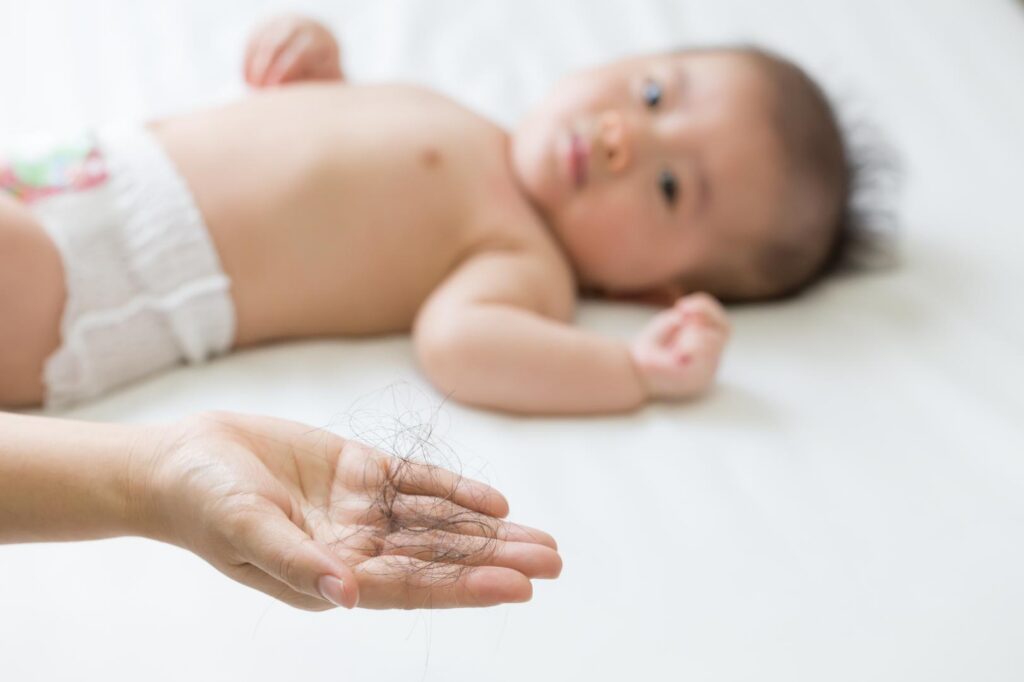
A common belief among new mothers is that breastfeeding directly causes excessive shedding. However, the hormonal changes following childbirth are the primary explanation for typical postpartum telogen effluvium.
Women who breastfeed and those who don’t can both experience noticeable shedding. Differences in hormone patterns may influence individual experiences, but breastfeeding itself shouldn’t automatically be blamed. That said, breastfeeding increases certain nutritional requirements.
Eating enough food and maintaining a balanced diet can support overall health during this demanding period. Restrictive dieting or rapid weight loss may place additional stress on the body. For some women, these changes can contribute to hair shedding independently of postpartum hormonal shifts.
If you’re concerned about nutritional intake, a healthcare professional can help assess your needs. Supplements should be chosen according to your circumstances rather than assuming that higher doses will accelerate hair growth.
Maintaining adequate nutrition supports normal biological functions, but it won’t necessarily stop hormonally driven shedding immediately. Hair recovery still follows the natural timing of the growth cycle.
Give Your Hair the Attention It Deserves
Motherhood brings enough changes without the added uncertainty of watching your hair become thinner. Although postpartum hair loss often resolves naturally, persistent shedding or unusual scalp changes deserve thoughtful evaluation rather than guesswork.
At Rapaport Hair Institute in New Jersey, patients can explore professional hair loss assessments and individualized, non-surgical restoration options when appropriate. Schedule a consultation to better understand your hair’s recovery and discover what may help you regain healthier-looking fullness.
Contact us today to book your consultation!