

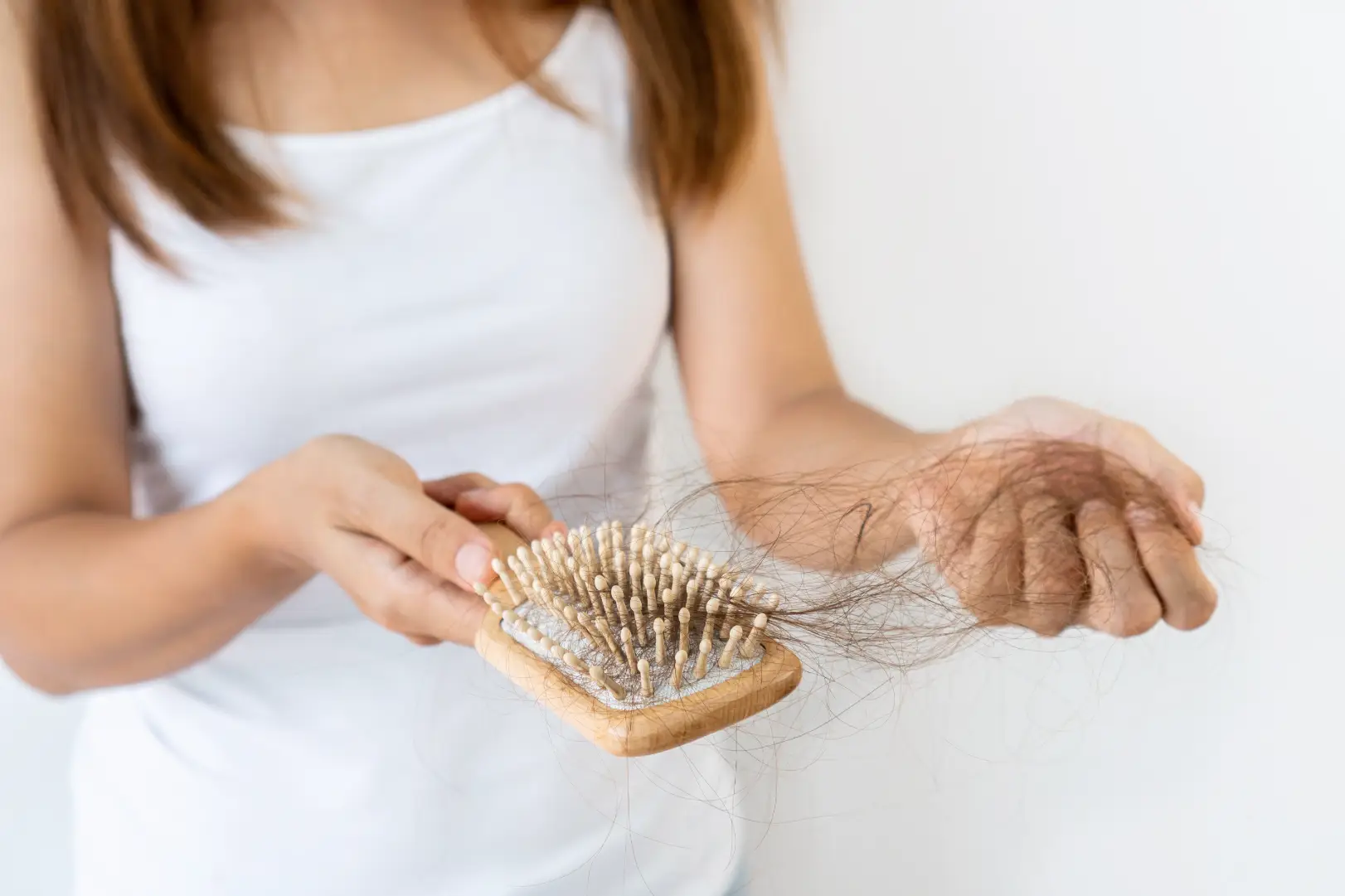
Hair rarely changes overnight. More often, the ponytail begins to feel smaller. The scalp becomes easier to see under bright lighting. A familiar hairstyle no longer sits quite the same way. For many patients, female hair loss begins with subtle changes that are easy to dismiss until thinning becomes much more noticeable.
What makes hair loss in women especially complicated is that genetics are only one part of the story. Hormonal shifts, illness, nutritional problems, autoimmune activity, stress, and everyday styling practices can all influence the follicles.
That is why successful treatment starts with identifying what is actually contributing to the loss. Regenerative options such as platelet-rich plasma (PRP) may then help appropriate patients support weakened follicles and encourage healthier growth.
If your hair has changed and you cannot explain why, do not assume that you simply have to live with it. Continue reading to understand the overlooked causes of female thinning, the signs worth noticing, and why a personalized evaluation can make such a difference.
The Causes Women Often Miss
Some causes of thinning are obvious, but others can remain hidden for months or even years. Looking beyond genetics can reveal factors that might otherwise be overlooked.
1. Female Pattern Hair Loss
Genetics deserves attention, even when there is no dramatic family history of baldness. Female pattern hair loss is hereditary and can develop gradually enough that patients initially interpret the changes as ordinary aging.
The process involves progressive follicular miniaturization. A follicle that once produced a thick, long strand begins producing finer and shorter hair. Over time, the overall density of the scalp decreases.
Women commonly notice greater visibility of the scalp through the top of the head or a central part that seems to become broader. Because the frontal hairline can remain relatively intact, the condition may progress before a patient realizes how much density has changed.
Family history can provide useful clues, but it is not always obvious. Hair loss patterns can differ between relatives and between men and women. A mother, father, grandparent, or sibling may have experienced thinning that looked completely different.
2. Thyroid Changes
When considering women’s hair thinning causes, thyroid function can sometimes be overlooked because hair may not be the only symptom. Thyroid hormones play an important role in metabolism and normal cellular activity, including the hair growth cycle.
Low thyroid activity can contribute to diffuse shedding or thinning. Rather than producing one distinct bald area, the change may appear throughout the scalp. This makes it easy to mistake the problem for ordinary aging, stress, or hereditary thinning.
Hair treatment alone cannot correct an underlying thyroid disorder. When medical factors are suspected, appropriate evaluation becomes an important part of addressing the bigger picture.
This is precisely why determining the cause matters. Hair follicles respond to what is happening throughout the body, not simply to what is applied to the scalp.
3. Nutritional Deficiencies
Hair needs adequate nutrition to grow normally. When shedding increases, your provider may review your diet and consider testing for specific deficiencies.
- Vitamin D: Low levels have been associated with some types of hair loss. However, that doesn’t prove vitamin D is causing your shedding, so testing and treatment should reflect your health history.
- Ferritin and iron: Ferritin is a protein that stores iron. Low iron can contribute to shedding. A blood test helps assess your iron reserves, which may be depleted by heavy menstrual bleeding or inadequate intake. Results need context because inflammation can raise ferritin levels.
- Protein intake: Not eating enough protein can contribute to hair loss. Regular meals with protein sources such as eggs, fish, beans, or tofu can help meet your nutritional needs.
The goal is to correct a nutritional shortfall. Taking supplements without identifying a deficiency may not help, and excess iron can be harmful.
4. Physical and Emotional Stress
Stress and hair loss have a complicated relationship. A difficult month does not automatically mean your hair will fall out, but significant physiological or emotional strain can influence the normal growth cycle.
Illness, surgery, fever, major lifestyle disruption, substantial weight changes, or prolonged psychological stress may push a greater percentage of follicles into the resting phase. Increased shedding can then become noticeable sometime after the triggering event.
That delay can make the connection surprisingly difficult to recognize. By the time shedding becomes obvious, patients may feel that the stressful event happened too long ago to be relevant.
This type of history matters during an evaluation. Understanding what was happening in the months before hair loss began can sometimes provide clues that looking at the scalp alone cannot.
5. Hormonal Transitions
A woman’s hormonal environment changes throughout life, and hair can respond to those shifts. Pregnancy, the postpartum period, perimenopause, menopause, and other hormonal changes may affect hair density or the duration of different phases of the growth cycle.
Postpartum shedding is one familiar example. Hair may appear especially full during pregnancy because fewer follicles enter the shedding phase. After delivery, those retained hairs can shift into shedding, producing a noticeable increase in hair fall.
Later in life, changing hormone levels can also make genetic thinning more apparent. A woman who had stable density for decades may begin noticing a wider part or less volume around menopause.
Hormonal influences can overlap with female pattern hair loss rather than occurring separately. That overlap is one reason a personalized assessment is more useful than choosing a treatment based solely on age.
6. Autoimmune Hair Loss
Some women experience hair loss because the immune system mistakenly targets their own follicles. Alopecia areata is one example. It often causes sudden, smooth, round areas of hair loss rather than the gradual thinning typically associated with female pattern baldness.
These patches can occur on the scalp and may sometimes affect hair elsewhere on the body. Genetics, immune-system factors, and stress may contribute to susceptibility.
Recognizing autoimmune hair loss matters because its biological mechanism differs from ordinary hereditary thinning. Treatment may need to address immune activity as well as the health of affected follicles.
Sudden patchy loss should therefore not be dismissed as stress without proper evaluation. The pattern itself may be telling an important story.
7. Tight Hairstyles and Traction
Sometimes the problem is not coming from inside the body at all. It is coming from repeated physical tension on the follicles.
Tight ponytails, braids, extensions, and other styles that continuously pull on the hair can contribute to traction alopecia. Early on, patients may notice breakage or thinning around areas receiving the greatest tension, particularly near the hairline.
Repeated traction can eventually injure follicles. If damage becomes severe or scar tissue develops, some loss may become permanent.
Changing styling habits early can therefore make a meaningful difference. Hair restoration is not always about adding a treatment. Sometimes it begins by removing the behavior that keeps placing the follicle under stress.
8. Illness and Health Conditions
The scalp does not exist independently from the rest of the body. Diabetes, significant illness, nutritional problems, cancer and its treatments, infections, and other health changes may affect the normal hair cycle.
Some causes produce temporary shedding. When the underlying condition improves, normal growth may gradually resume. Others can interact with an existing genetic predisposition and make thinning more noticeable.
This is why an accurate health history matters when investigating hair loss in women. The timing of illness, medications, dietary changes, surgery, or other health events may reveal connections that were not immediately apparent.
Simply labeling every case as “female pattern thinning” risks missing an important underlying contributor.
Why the Pattern Matters
Where hair disappears can tell a specialist almost as much as how much hair has been lost. Different patterns can point toward different biological processes.
A widening part and gradual thinning over the crown may suggest female pattern hair loss. Smooth circular patches can raise suspicion for alopecia areata. Thinning concentrated around areas exposed to tight hairstyles may point toward traction. Diffuse shedding across the entire scalp may encourage investigation of stress, illness, hormonal changes, or nutritional factors.
Patients may also have more than one contributor at the same time. For example, an underlying genetic tendency toward thinning may become more visible after illness or a major physiological stressor.
That complexity makes professional evaluation valuable. Rather than asking only, “How do we grow more hair?” a better question is, “Why did this patient’s hair change?” Treatment can then be matched to that answer.
Where PRP May Fit
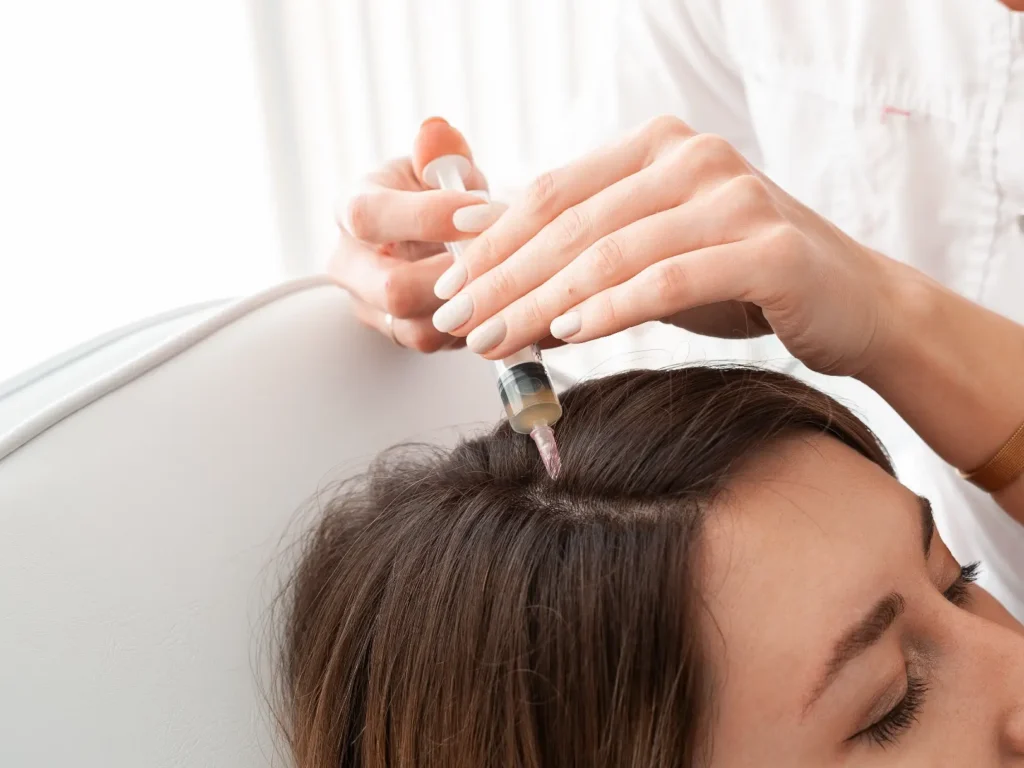
Once the cause and condition of the follicles have been evaluated, regenerative treatments may become part of the plan for appropriate candidates. PRP is one option used to support natural follicular activity.
Platelet-rich plasma is prepared by concentrating and purifying platelets from the patient’s own blood. Platelets contain growth factors that are released when PRP is introduced into targeted areas of the scalp. These signaling proteins can support regenerative activity around the follicles and encourage hairs to transition toward the active growth phase.
For suitable patients seeking female hair restoration in NJ, PRP may be considered when follicles are still present but have become weakened or less productive. Treatment is generally performed as a series because hair growth occurs gradually and biological changes need time to develop.
PRP is not a universal answer to every type of female hair loss. For instance, a nutritional deficiency still needs appropriate medical attention, while ongoing traction should be corrected. Autoimmune conditions may require additional management. The value of PRP lies in using it for the right patient and within a treatment strategy that reflects the underlying cause.
Give Your Hair the Attention It Deserves
Female hair loss is not one condition with one solution. A widening part, diffuse shedding, or gradual loss of density may reflect genetics, health changes, hormones, nutrition, immune activity, physical tension, or several factors working together. Recognizing those differences is fundamental to choosing appropriate treatment.
Rapaport Hair Institute approaches hair restoration by looking beyond the visible thinning to understand what may be happening at the follicular level. For women considering PRP or exploring other nonsurgical solutions, a personalized evaluation can provide the clarity needed to move forward with a treatment strategy built around their individual pattern of hair loss.
Contact us today to book your appointment!