

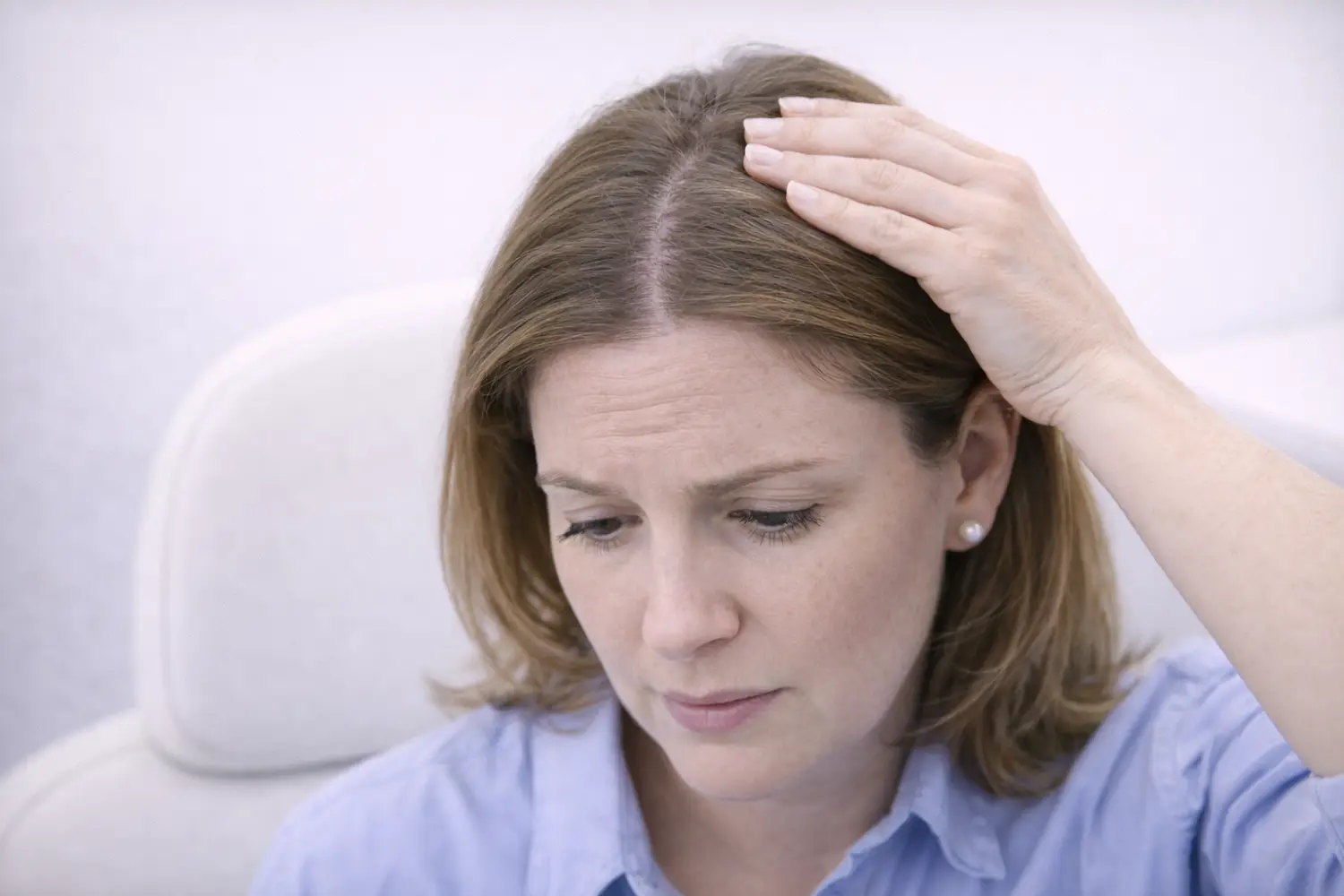
Alopecia areata in women responds best to early, targeted treatment that calms immune-driven follicle inflammation and reactivates hair growth. Dermatologist-led care that identifies early autoimmune patchy hair loss and applies non-surgical regenerative strategies improves regrowth potential and reduces the risk of progression.
Women seeking structured treatment can begin with a comprehensive evaluation through the Female Hair Restoration in New Jersey program at Rapaport Hair Institute.
What Is Alopecia Areata in Women?
Alopecia areata causes immune cells to attack hair follicles and interrupt the hair growth cycle. The immune response induces follicles into a resting phase, resulting in sudden hair loss in defined patches rather than gradual thinning. In women, this condition often presents earlier than expected and carries a higher emotional burden due to visible changes in scalp density.
Autoimmune activity drives this condition. Genetics increase susceptibility, and immune triggers activate follicle inflammation. The follicles remain viable, allowing regrowth as inflammation subsides. This biological feature separates alopecia areata from scarring hair disorders and supports early intervention strategies.
What Does Alopecia Areata Look Like in Women?
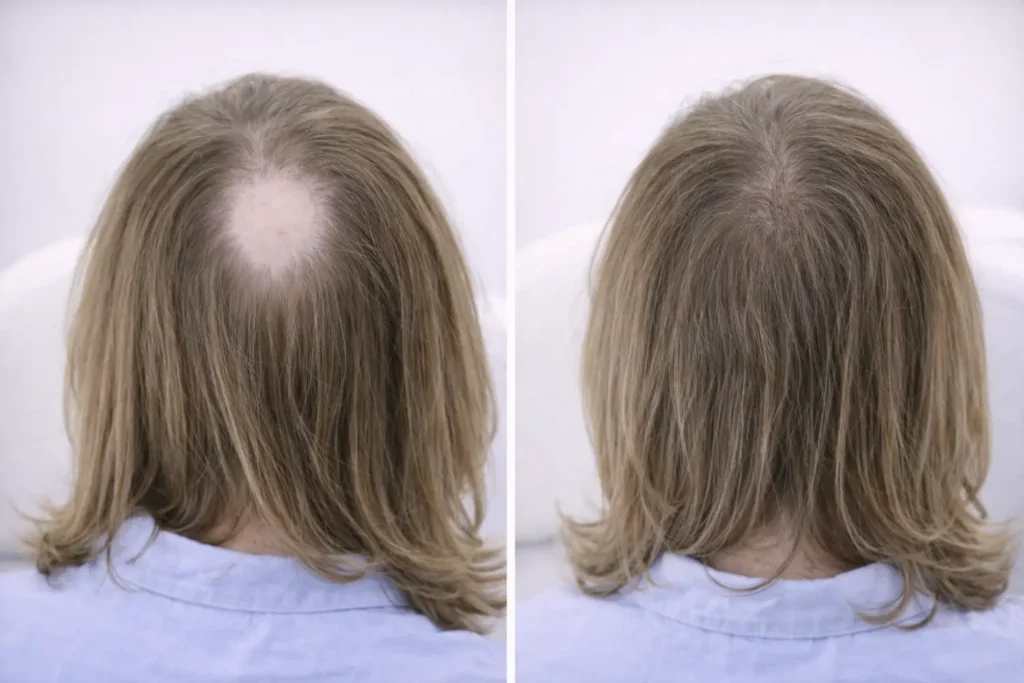
Alopecia areata produces smooth, round areas of hair loss that appear without warning. These patches often measure one to three centimeters and expand when immune activity continues. Many women notice hair shedding on pillows or during washing before visible gaps appear.
Hair loss may extend beyond the scalp. Eyebrows, eyelashes, and body hair may thin in more extensive cases. Some women develop nail pitting or surface roughness, which reflects immune involvement beyond the hair follicle. These signs help clinicians distinguish autoimmune hair loss from cosmetic breakage or hormonal shedding.
Is Alopecia Areata the Same as Female Pattern Hair Loss?
Alopecia areata and female pattern hair loss involve different biological pathways and require different treatment strategies. Autoimmune inflammation causes alopecia areata, while hormonal sensitivity and genetic miniaturization drive female androgenetic alopecia.
Alopecia areata is characterised by patchy, sudden hair loss. Female pattern hair loss causes diffuse thinning that widens the part line over time. Autoimmune hair loss often regrows after immune modulation, whereas pattern hair loss progresses without intervention. Accurate diagnosis directs treatment and prevents unnecessary delays.

What Causes Alopecia Areata in Women?
Immune dysregulation causes alopecia areata. Genetic predisposition primes the immune system to target hair follicles, and environmental factors activate the response. Stress elevates inflammatory signalling and increases immune activation. Hormonal transitions during pregnancy, postpartum recovery, or menopause influence immune balance and trigger flare-ups.
Illness, viral exposure, and systemic inflammation also contribute. These factors alter immune surveillance around hair follicles and accelerate hair cycle arrest. Understanding these triggers allows physicians to design treatment plans that address both immune activity and follicle recovery.
Can Alopecia Areata Come and Go?
Alopecia areata often follows a relapsing and remitting pattern. Hair may regrow within months and shed again during immune reactivation. Some women experience isolated episodes, while others face recurrent cycles over several years.
Early treatment improves outcomes. Prompt immune modulation and follicle stimulation reduce patch expansion and support sustained regrowth. Women who act early maintain higher follicle density and avoid progression to extensive scalp involvement.
How Dermatologists Diagnose Alopecia Areata in Women
Dermatologists diagnose alopecia areata by identifying immune-mediated follicular changes and excluding overlapping conditions. A detailed history and scalp examination determine whether the pattern is consistent with autoimmune activity or hormonal thinning. Signs like sharply defined bald patches, nail pitting, and sudden onset support the diagnosis.
At the Rapaport Hair Institute, HairMetrix Diagnostic Imaging strengthens diagnostic accuracy without scalp clipping or lab processing. This AI-powered tool measures follicle count, density, and the ratio of growing to resting hairs. These data points reveal patterns of immune disruption, clarify the severity of loss, and guide precise treatment planning.
Treatment Options for Alopecia Areata in Women
Alopecia areata requires targeted treatment to reverse immune-mediated aggression and reinitiate follicular growth. Topical products, injectables, and regenerative therapies form the foundation of care. The earlier treatment begins, the more follicles can be rescued and returned to active growth.
Platelet-Rich Plasma (PRP) for Alopecia Areata
PRP therapy improves outcomes by delivering concentrated growth factors into affected scalp areas. These platelets reduce immune inflammation and stimulate dormant follicles. The Rapid PRP Protocol at the Rapaport Hair Institute employs monthly sessions with ultra-purified plasma to accelerate recovery in patients with active alopecia areata.
Each session targets the precise depth and density of the scalp’s thinning zones, identified through HairMetrix imaging. PRP therapy strengthens the follicular environment, prolongs the anagen (growth) phase, and prevents patch expansion. Results typically begin to appear after 2–3 sessions.
Conventional Medical Treatments (Contextual Use Only)
Intralesional corticosteroid injections remain a standard option in dermatology. They suppress local immune responses and reduce patch growth. However, this approach may cause scalp thinning with repeated use and is often limited to small areas.
Another important medical therapy for alopecia areata involves Janus Kinase (JAK) inhibitors. These medications work by blocking inflammatory signaling pathways responsible for the immune attack on hair follicles. By interrupting the JAK-STAT pathway, these drugs reduce immune activity around follicles and allow hair growth cycles to resume.
FDA-approved JAK inhibitors such as baricitinib (Olumiant) are now used in dermatology for moderate to severe alopecia areata. These medications can promote significant regrowth in some patients but require careful monitoring because they affect immune signaling throughout the body.
Because JAK inhibitors are systemic immune-modulating medications, dermatologists evaluate patient history, autoimmune risk factors, and potential side effects before prescribing them.
Other systemic therapies, such as topical immunotherapy or JAK inhibitors, may be used in cases of resistance but require closer monitoring and carry a risk of side effects.
At Rapaport Hair Institute, these treatments are discussed only when necessary and always within the context of personalized, non-surgical plans.
Emotional and Psychological Impact of Alopecia Areata in Women
Alopecia areata affects far more than appearance. For women, sudden hair loss disrupts identity, confidence, and sense of normalcy. Many experience anxiety, isolation, or distress as patches become visible or progress unexpectedly.
Understanding the emotional weight of hair loss shapes the patient experience at Rapaport Hair Institute. Consultations are confidential, supportive, and centred on restoring both hair health and personal well-being. Dr. Rapaport emphasizes compassionate care alongside clinical precision, helping women feel understood and supported throughout their treatment journey.
Living With Alopecia Areata: Practical Guidance for Women
Women living with alopecia areata benefit from structured routines that protect follicles and reduce inflammation. Daily habits that support scalp health include:
- Using pH-balanced, fragrance-free shampoos
- Avoiding tight hairstyles and direct heat
- Incorporating stress management practices (e.g., meditation or therapy)
- Supporting immune balance through anti-inflammatory nutrition
Hair restoration success increases when medical care is paired with consistent self-care. Early diagnosis, physician-guided treatment, and protective habits work together to strengthen long-term outcomes.
When Should Women See a Hair Loss Specialist?
Women should seek medical evaluation as soon as hair loss forms defined patches or appears suddenly. Additional red flags include:
- Hair loss extending to eyebrows or body hair
- Nail surface changes (e.g., pitting or ridging)
- Cycles of shedding and regrowth
- Hair loss that resists over-the-counter solutions
Dr. Jeffrey Rapaport specializes in evaluating complex female hair loss cases and delivers individualized treatment plans grounded in dermatologic science. Accurate diagnosis early in the cycle reduces the chance of long-term damage.
Expert Care for Women With Alopecia Areata
Women experiencing sudden, patchy hair loss can regain control with dermatologic care tailored to autoimmune causes. The Rapaport Hair Institute in Englewood Cliffs, NJ, offers non-surgical treatment plans that target alopecia areata at the root. Dr. Jeffrey Rapaport combines precise diagnosis with advanced therapies like PRP to support follicle regrowth and restore confidence.
Request a Consultation to begin your personalized treatment path today.
Frequently Asked Questions
Can hairstyling or hair products cause alopecia areata?
No. Alopecia areata is not caused by external damage from products or styling. It results from immune system dysfunction and cannot be triggered by dyes, shampoos, or tight hairstyles alone.
Is alopecia areata contagious or spread through contact?
Alopecia areata is not contagious. It cannot spread through physical contact, shared objects, or close proximity. The condition stems from internal autoimmune activity and is not caused by infection or bacteria.
Does diet or nutrition affect outcomes in alopecia areata?
While diet does not directly cause alopecia areata, nutrient deficiencies and high-inflammatory foods may worsen immune triggers. Anti-inflammatory diets and optimal levels of vitamin D, iron, and zinc support scalp health and immune balance.
Can alopecia areata appear alongside other autoimmune diseases?
Yes. Alopecia areata often coexists with autoimmune thyroid disease, vitiligo, or lupus. Women with a personal or family history of autoimmune conditions may be at increased risk of patchy hair loss.
How do dermatologists track progress in alopecia areata treatment?
Specialists use tools such as HairMetrix imaging to monitor follicle count, density, and growth-phase shifts over time. Regular assessments help adjust treatment plans and document visible and measurable signs of regrowth.