


If you’re dealing with thinning hair or a receding hairline, you’ve probably researched treatments like PRP therapy, exosomes, and growth factor serums. Most men spend all their energy choosing which treatment to try—but here’s what really matters: when you schedule these treatments can make or break your results.
Strategic timing isn’t just about convenience. Your hair follicles respond to growth factors over time, and each treatment builds on the previous one. Understanding treatment cycles—and how to coordinate multiple therapies—is the difference between mediocre results and the thick, healthy hair you’re after.
Whether you’re just starting to explore male hair restoration or you’re already in treatment, this guide will show you how to optimize your schedule for maximum regrowth and density.
Understanding Hair Growth Cycles and Treatment Timing
Before diving into specific treatment schedules, it’s important to understand why timing matters for male pattern baldness solutions.
Your hair doesn’t grow continuously—it follows a three-phase cycle. The anagen phase (active growth) lasts 3-5 years, followed by a brief catagen phase (transition), and then the telogen phase (resting), where hair sheds and the cycle restarts. Effective hair restoration treatments work by extending the anagen phase, shortening the telogen phase, and waking up dormant follicles.
Why Treatment Cycles Matter
Hair follicles respond to growth factors and regenerative treatments over time, not instantly. Each treatment builds upon the previous one, creating a cumulative effect that strengthens follicles progressively. This is why experienced hair restoration specialists design treatment protocols with specific intervals—they’re working with your hair’s natural biology to achieve optimal results.
Rushing treatments too close together can overwhelm follicles without providing additional benefits, while spacing them too far apart means you’re not maintaining the regenerative environment your follicles need for sustained growth.
PRP Therapy: The Gold Standard Treatment Schedule
Dr. Rapaport’s Pioneering Approach to PRP Timing
Platelet-rich plasma therapy remains one of the most effective treatments for hair thinning in men, particularly when administered by an expert who understands optimal timing. Dr. Jeffrey Rapaport—recognized as one of the earliest adopters and leading international authorities in PRP hair restoration—has pioneered an injection technique now implemented across the nation.
With eight years of dedicated experience, thousands of patients treated, and a role as an international lecturer training physicians worldwide, Dr. Rapaport has developed and refined an evidence-based PRP protocol that serves as a referenced model in non-surgical hair restoration training.
Initial PRP Treatment Phase
For men beginning PRP therapy, the standard protocol typically involves:
Months 1-4: One treatment per month for four consecutive months. This initial intensive phase establishes a strong foundation of growth factors in your scalp, awakening dormant follicles and strengthening existing hair. Most men begin noticing reduced shedding after the second treatment, with visible improvements in hair thickness and density emerging by the third or fourth session.
Maintenance Phase Timing
Months 5-12: Treatments spaced every 2-3 months. Once you’ve completed the initial series, your follicles need ongoing support to maintain the regenerative environment. The maintenance schedule depends on your individual response—some men do well with treatments every three months, while others benefit from more frequent sessions every two months.
Year 2 and Beyond: Many patients transition to treatments every 3-6 months as their hair stabilizes and improves. Dr. Rapaport’s approach involves monitoring your progress and adjusting the schedule based on your hair’s response, ensuring you’re getting optimal results without over-treating.
Why This Schedule Works
PRP contains seven specific growth factors that stimulate stem cells in your hair follicles. These growth factors remain active for several weeks after injection, which is why monthly treatments during the initial phase create overlapping waves of follicle stimulation. As your hair improves, less frequent maintenance keeps follicles in an active growth state.
Exosome Therapy for Men: Maximizing Regenerative Potential
Understanding Exosome Treatment Intervals
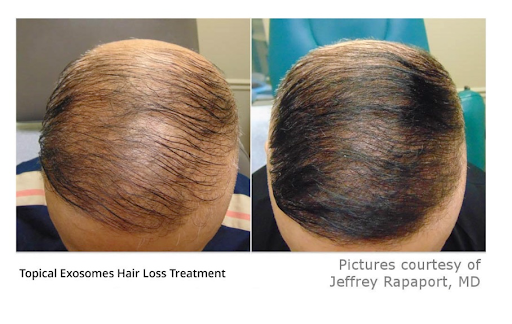
Exosome therapy for men represents one of the most advanced regenerative options for male pattern baldness. Unlike PRP, which depends on your body’s own healing factors, exosomes deliver approximately 200 different growth factors from donor tissue—providing consistent, high-potency regeneration regardless of your age or health status.
Optimal Exosome Scheduling
At The Rapaport Hair Institute in Englewood Cliffs, exosome treatments are strategically timed to maximize their regenerative impact:
Initial Treatment: Your first exosome therapy session delivers a concentrated dose of messenger proteins directly to your follicles using a specialized channeling technique—without needles and without anesthesia. The procedure takes about 30 minutes with no downtime.
Follow-Up Timing: Because exosomes remain active in your scalp for several months, follow-up treatments are typically scheduled 3-4 months apart. This interval allows the initial treatment’s regenerative processes to fully develop while providing sustained growth factor support.
Results Timeline for Exosome Therapy
Most men begin noticing improvements within three months of treatment. You’ll first observe decreased shedding, then increased thickness in existing hair, and finally new growth in areas that had become thin. Because the exosomes continue working for months after application, your results progressively improve throughout the entire interval between treatments.
The key is patience—resist the urge to schedule treatments too frequently. Your follicles need time to respond to the growth signals and transition into active growth phases.
KeraFactor Treatment: Supporting Hair Growth with Precision
The Science Behind KeraFactor Timing
KeraFactor is an in-office treatment featuring proprietary proteins and growth factors resulting from six years of extensive research. Each growth factor and skin protein is individually wrapped in nanoliposome carriers smaller than 200nm, ensuring optimal absorption and targeting the most effective follicular locations.
Strategic KeraFactor Scheduling
KeraFactor works beautifully as a standalone treatment or combined with other therapies. When used alone, monthly treatments provide consistent growth factor delivery. When combined with PRP or exosomes, KeraFactor can be scheduled between your primary treatments to maintain the regenerative environment.
For example, if you’re receiving PRP every two months during maintenance, you might schedule KeraFactor during the off-month, creating monthly follicle support without the intensity of repeated PRP sessions.
Enhanced Absorption with Red-Light Therapy
KeraFactor combats DHT (the hormone responsible for male pattern baldness) when activated with red-light therapy. This adds another layer of strategic timing—some practitioners recommend brief red-light sessions in the days following KeraFactor application to maximize its DHT-blocking effects.
Dutasteride Mesotherapy: The Three-Month Cycle
Why Dutasteride Requires Different Timing
Dutasteride mesotherapy operates on a different principle than regenerative treatments. While PRP, exosomes, and KeraFactor stimulate hair growth, dutasteride mesotherapy prevents hair loss by blocking DHT production at the follicle level.
The Standard Three-Month Protocol
Dutasteride mesotherapy is administered every three months as a standalone treatment. This interval is based on the medication’s duration of action in the scalp tissue. Administered only as dutasteride (without additional amino acids, minerals, or peptides), this treatment effectively mitigates hair loss and prevents further thinning.
Understanding What Dutasteride Does—and Doesn’t Do
It’s important to set realistic expectations: dutasteride mesotherapy stops the damage from DHT but doesn’t stimulate new growth on its own. This is why many men combine it with regenerative treatments. For instance, you might receive dutasteride every three months while maintaining PRP treatments every two months—the dutasteride prevents further loss while PRP actively promotes regeneration.
Potential Side Effects and Why Men Choose Mesotherapy
While dutasteride mesotherapy may have sexual and other side effects, they occur less frequently than with oral administration. This is why some men prefer the localized approach—you get effective DHT blocking at the follicle level with reduced systemic side effects.
REVIVV: Daily At-Home Support Between Treatments
Bridging Your Treatment Intervals
REVIVV by weThrivv is an award-winning serum developed by Dr. Rapaport himself, backed by over two years of research and published studies demonstrating its effectiveness. This natural, drug-free solution provides daily follicle support between your in-office treatments.
Daily Application for Continuous Support
Unlike in-office treatments with specific intervals, REVIVV works through consistent daily application. Think of it as maintaining the regenerative environment your in-office treatments create. When you receive PRP or exosomes every few months, REVIVV fills the gaps with daily growth factor support.
Timing Your REVIVV Application
For optimal results, apply REVIVV daily, preferably at night when your body’s natural repair processes are most active. Many men find that establishing a consistent routine—applying it at the same time each evening—ensures they don’t miss applications and maintains steady follicle support.
Creating Your Personalized Treatment Calendar
Combining Multiple Treatments Strategically
The most effective approach to non-surgical hair restoration for men often involves combining treatments on a strategic schedule. Here’s an example of how different treatments might be coordinated:
Month 1: PRP treatment + begin daily REVIVV
Month 2: PRP treatment + continue daily REVIVV
Month 3: PRP treatment + dutasteride mesotherapy + continue daily REVIVV
Month 4: PRP treatment + continue daily REVIVV
Month 5: Exosome therapy + continue daily REVIVV
Month 6: PRP or KeraFactor + dutasteride mesotherapy + continue daily REVIVV
Month 7-8: Continue daily REVIVV (maintenance phase begins)
Month 9: Exosome therapy or PRP + dutasteride mesotherapy + continue daily REVIVV
Why This Combination Approach Works
This schedule ensures your follicles receive continuous support without overwhelming them. Each treatment targets different aspects of hair restoration—PRP stimulates your body’s healing response, exosomes deliver concentrated regenerative factors, dutasteride blocks the hormone causing hair loss, KeraFactor provides specialized proteins, and REVIVV maintains daily follicle health.
The specific intervals prevent treatment overlap while ensuring you’re never going too long without follicle stimulation.
Seasonal Considerations for Treatment Timing
Why Some Men Prefer Fall and Winter Treatments
While hair restoration treatments can be performed year-round, many men strategically schedule their intensive treatment phases during fall and winter months. Here’s why:
Sun Exposure: Your scalp is more sensitive after certain treatments, and minimizing sun exposure during the healing process can optimize results. Fall and winter naturally provide less intense sun exposure.
Lifestyle Factors: Many men find it easier to commit to monthly treatment schedules when they’re not traveling extensively for summer vacations or outdoor activities.
Timeline to Results: Starting treatments in fall means you’ll see significant improvements by spring and summer when many men are more socially active.
Spring Maintenance Strategy
If you begin intensive treatments in fall, by spring you’ll likely be transitioning to maintenance schedules. This works perfectly—you’re looking and feeling your best during the more social spring and summer months, while only needing occasional maintenance treatments.
Monitoring Progress and Adjusting Your Schedule
The Importance of Microscopic Evaluation
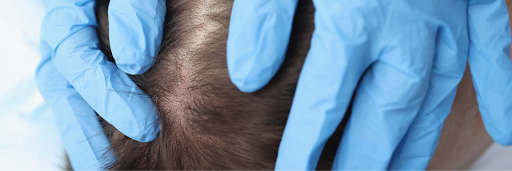
Effective hair restoration requires more than just following a predetermined schedule. At The Rapaport Hair Institute in Englewood Cliffs, Dr. Rapaport performs microscopic hair and scalp evaluations to assess your follicles’ response to treatment.
These evaluations help determine whether you need to:
- Increase treatment frequency if response is slower than expected
- Extend intervals if you’re achieving excellent results
- Add complementary treatments to address specific concerns
- Adjust your maintenance schedule as your hair stabilizes
Individual Response Variation
Every man’s hair responds differently to treatment. Factors affecting your optimal schedule include:
- The extent of your hair loss when you begin treatment
- Your age and overall health
- Your genetic hair loss pattern
- How consistently you follow at-home protocols like REVIVV
- Whether you’re taking any oral medications that might affect results
This is why working with a board-certified dermatologist who specializes in non-surgical hair restoration is crucial. Cookie-cutter protocols rarely deliver optimal results—you need personalized scheduling based on your hair’s unique response.
The Role of Consistency in Treatment Success
Why Skipping Treatments Compromises Results
One of the biggest mistakes men make is starting treatment enthusiastically but then becoming inconsistent with their schedule. Hair restoration requires commitment—missing treatments or extending intervals too long can set back your progress significantly.
Your hair follicles need sustained support to transition from miniaturized, unhealthy states into robust, actively growing follicles. Inconsistent treatment creates gaps in growth factor support, allowing follicles to weaken again before they’ve fully recovered.
Building Treatment into Your Routine
Think of your hair restoration schedule as you would any important health maintenance—like dental cleanings or annual physicals. Put your treatment appointments in your calendar for the entire year, treating them as non-negotiable commitments to your appearance and confidence.
Understanding Treatment Investment and ROI
Optimizing Results While Managing Costs
Strategic timing isn’t just about biological effectiveness—it’s also about maximizing the return on your investment. Non-surgical hair restoration requires financial commitment, and spacing treatments appropriately ensures you’re getting the most value.
Over-treating by scheduling sessions too frequently wastes money without providing additional benefits. Under-treating by spacing appointments too far apart means slower results and potentially losing ground you’ve gained. Following evidence-based protocols developed by pioneers like Dr. Rapaport ensures you’re investing wisely.
Long-Term Planning
Most men see dramatic results within 6-12 months of beginning treatment, but maintaining those results requires ongoing care. When planning your treatment schedule and budget, consider:
- Initial intensive phase costs (4-6 months of frequent treatments)
- Transition to maintenance phase (reduced frequency, lower ongoing costs)
- Long-term maintenance (periodic treatments to preserve results)
- Daily at-home products like REVIVV (consistent monthly cost)
Why Expertise Matters in Treatment Timing
The Rapaport Difference in Protocol Design
Dr. Jeffrey Rapaport’s 40+ years of experience and pioneering role in non-surgical hair restoration mean his treatment protocols are based on actual patient outcomes from thousands of procedures—not theoretical schedules from textbooks.
His precise follicle-targeted delivery methods, refined over thousands of patients, have become a referenced model in non-surgical hair restoration training worldwide. This expertise extends to understanding optimal treatment timing for different hair loss patterns and individual responses.
Published Research and Clinical Trials
Dr. Rapaport has authored numerous publications including journal articles and book chapters, served as a reviewer for multiple journals specializing in hair restoration and PRP research, and actively consulted on ongoing clinical trials. This involvement in cutting-edge research ensures his treatment protocols—including timing strategies—reflect the latest evidence-based practices.
Ready to Start Your Hair Restoration Journey?
The Importance of Starting with a Comprehensive Evaluation
The best treatment schedule for you depends on factors only a thorough evaluation can reveal. During your consultation, you’ll receive:
- Microscopic hair and scalp analysis to assess follicle health
- Discussion of your hair loss pattern, progression, and goals
- Personalized treatment plan with specific timing recommendations
- Education about what to expect during each phase of treatment
- Coordination of complementary treatments for optimal results
Take the First Step Today
Don’t let another season pass watching your hair thin. Strategic timing of your hair restoration treatments can help you achieve the thick, healthy hair you’ve been missing—and maintain those results for years to come.
Schedule your comprehensive consultation with Dr. Rapaport at The Rapaport Hair Institute in Englewood Cliffs or one of our convenient New Jersey locations:
- Englewood Cliffs: (201) 500-2425 – 333 Sylvan Ave #207, Englewood Cliffs, NJ 07632
- Old Bridge: (732) 591-1700 – 33 Hospital Plaza, Suite 300, Old Bridge, NJ 08857
- Jersey City: (732) 591-1700 – 631 Grand Ave. Ste 1-200, Jersey City, NJ 07304
- Secaucus: (201) 500-2425 – 255 State Route 3 STE 206, Secaucus, NJ 07094
Experience world-class non-surgical hair restoration expertise and discover the optimal treatment timing for your specific needs.