


GLP-1 medical weight loss requires structured lab monitoring and physician oversight to protect metabolic health and improve outcomes. Patients start with baseline blood work, continue with scheduled follow-ups every three to six months, and pair medication with supervised lifestyle guidance to reduce risk and support sustainable weight reduction.
At Rapaport Hair Institute, this approach mirrors the data-driven, physician-led model used across our clinical programs, including our medically supervised weight-management services.
Medical Supervision for GLP-1 Weight Loss Treatments: Why It Matters
Medical supervision reduces complications and improves treatment precision during GLP-1 therapy. GLP-1 receptor agonists such as semaglutide and liraglutide directly influence appetite regulation, insulin signaling, and gastrointestinal function. These effects demand ongoing clinical oversight to adjust dosing, manage side effects, and confirm metabolic safety.
Physician-led supervision tracks patient response at defined intervals and modifies treatment based on objective data rather than symptoms alone. This model lowers the likelihood of untreated dehydration, electrolyte imbalance, or undetected organ stress during active weight loss. Supervised care also aligns medication use with long-term health goals rather than short-term scale changes.
Baseline Blood Work Before Starting GLP-1 Medications: What Gets Measured
Baseline blood testing establishes safety and eligibility before initiating GLP-1 treatment. Providers use these results to confirm that metabolic systems can tolerate appetite-suppressing therapy and to identify risk factors that require closer monitoring.
Key baseline evaluations include HbA1c to measure average blood glucose levels, a comprehensive metabolic panel to assess liver enzymes and electrolyte balance, and renal function markers to evaluate kidney health. Lipid panels document cardiovascular risk at treatment entry, while thyroid-stimulating hormone screening supports safety due to known thyroid-related warnings associated with GLP-1 medications.
Patients typically fast for eight to twelve hours before testing. Morning lab appointments improve consistency and reduce variability in glucose and lipid measurements. These results guide both medication selection and initial dosing strategy.
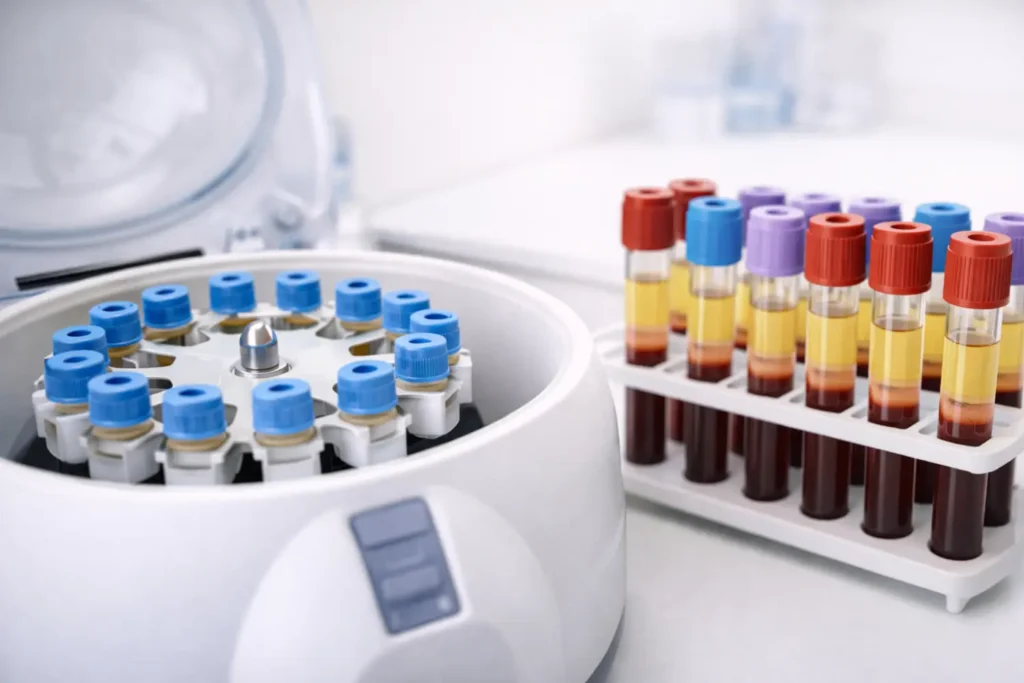
Ongoing Lab Monitoring During GLP-1 Weight Loss Treatment
Scheduled lab monitoring every three to six months confirms treatment safety and effectiveness. Follow-up testing tracks how the body responds to sustained appetite suppression and weight reduction.
HbA1c monitoring measures improvements in glycemic control, even in patients without diabetes. Repeat metabolic panels are used to monitor liver enzymes and electrolyte balance during active weight loss. Renal function testing confirms kidney stability, especially in patients with prior risk factors. Lipid panels often show gradual improvement as fat mass decreases, offering objective evidence of cardiometabolic benefit.
Providers increase testing frequency for patients with rapid weight changes, persistent gastrointestinal symptoms, or complex medical histories. Stable patients may transition to annual monitoring after metabolic markers remain within target ranges.
Health Checks Beyond Blood Work During GLP-1 Therapy
Clinical monitoring extends beyond laboratory tests to capture whole-body health changes during weight loss. Vital sign assessment includes monitoring blood pressure and heart rate, both of which can change as body mass decreases. Regular measurements identify early signs of dehydration or cardiovascular strain.
Body composition tracking distinguishes fat loss from lean muscle reduction. Preserving muscle mass supports metabolic rate and functional strength, particularly during caloric restriction. Clinicians also review gastrointestinal symptoms, hydration status, and medication tolerance at each visit to guide dosing adjustments.
This comprehensive monitoring approach integrates medication effects with physical health trends, ensuring that weight loss supports overall wellness rather than compromising it.
Nutritional Supervision and Metabolic Health During GLP-1 Treatment
Nutritional oversight protects muscle mass and metabolic stability during GLP-1 weight loss. Appetite suppression often reduces overall food intake, thereby increasing the risk of inadequate protein and micronutrient intake without guidance.
Clinicians typically recommend protein intake targets of twenty to thirty grams per meal to support lean tissue preservation. Dietary counseling also addresses hydration, fiber intake, and meal timing to reduce gastrointestinal side effects and stabilize energy levels. Periodic review of nutrient status helps prevent deficiencies that could slow metabolism or impair recovery.
By aligning nutrition with laboratory data and symptom tracking, supervised programs transform GLP-1 therapy into comprehensive weight-loss care rather than medication-only management.
How Lifestyle Modification Programs Improve GLP-1 Outcomes and Reduce Relapse Risk
Lifestyle modification improves long-term weight stability after discontinuation of GLP-1 treatment. While GLP-1 medications assist with appetite control and glycemic regulation, behavioral changes sustain results and prevent rebound weight gain.
Clinicians integrate physical activity, structured meal planning, and behavioral coaching into weight management programs to reinforce treatment outcomes. Exercise protocols focus on resistance training to preserve lean mass and support resting metabolic rate. Patients receive education on meal composition, calorie density, and nutrient timing to align with metabolic shifts resulting from reduced intake.
Behavioral reinforcement addresses emotional triggers, stress-related eating, and the development of routines. Programs often include journaling, habit tracking, and structured check-ins to promote adherence. By combining pharmacologic tools with lifestyle strategies, patients establish a metabolic foundation that outlasts medication.
GLP-1 Monitoring Risks, Red Flags, and When to Call Your Doctor
Recognizing early signs of intolerance or adverse effects improves safety during GLP-1 treatment. Patients and providers monitor for symptom clusters that may indicate a need for immediate clinical attention.
Common warning signs include persistent abdominal pain, extreme fatigue, dizziness, or darkened urine, all potential indicators of liver stress, dehydration, or pancreatitis. Clinicians also assess for excessive or rapid weight loss, which may signal muscle wasting rather than fat reduction.
GLP-1 medications can lower blood pressure and heart rate; symptoms such as fainting, palpitations, or shortness of breath warrant prompt evaluation. Any deviation from the scheduled labs or dosing adjustments requires clinical review to ensure that organ systems remain stable.
Patient education includes what symptoms to track, when to report them, and how to access follow-up support between visits. This proactive approach reduces the risk of hospitalization and maintains continuity of care.
What Patients Should Expect During Their GLP-1 Supervised Weight Loss Journey
Structured timelines improve clarity and adherence throughout GLP-1 therapy. Patients progress through a defined clinical pathway that includes intake evaluation, medication titration, lab re-checks, and behavioral coaching.
Timeline Overview:
| Stage | What Happens | Clinical Focus |
| Intake | Medical history, full lab panel, baseline body composition | Establish safety and dosing eligibility |
| Month 1–3 | Dose escalation, symptom tracking, GI side effect review | Tolerability and appetite control |
| Month 4–6 | Follow-up labs, lifestyle integration | Metabolic progress and stabilization |
| Month 7+ | Maintenance or tapering, continued nutrition and behavior coaching | Weight maintenance and relapse prevention |
Patients receive individualized dosing based on tolerance to side effects and response to initial weight loss. Ongoing check-ins adjust the program as needed. Expectations are clearly defined at each visit to reduce anxiety and improve engagement.

GLP-1 Treatment Is Powerful, But Only Under Medical Supervision
Supervised GLP-1 therapy combines medication, laboratory monitoring, and lifestyle care to deliver sustained weight loss. Blood work, vital monitoring, and structured coaching align to reduce risk, enhance metabolic outcomes, and support long-term success.
Weight loss without clinical oversight may overlook organ stress, nutrient deficiencies, or behavioral patterns that limit results. A physician-guided approach ensures that every phase of GLP-1 treatment, from baseline labs to post-treatment maintenance, is grounded in safety and personalized care.
To begin your supervised weight-loss program, contact us at the Rapaport Hair Institute. We provide evidence-based protocols designed to optimize your health at every stage of treatment.
Frequently Asked Questions
Can lab results affect GLP-1 dose adjustments?
Yes. Providers may adjust GLP-1 dosage based on laboratory trends such as kidney function, liver enzymes, or glycemic control to maintain safety, reduce side effects, and improve weight-loss response over time.
What happens if I miss a scheduled blood test during GLP-1 treatment?
Missing lab tests delays important safety checks. Providers may pause medication until updated laboratory results are available to confirm ongoing tolerance and to ensure organ systems remain stable during active weight loss.
Is body composition tracking necessary with GLP-1 medications?
Yes. Tracking fat versus muscle loss helps clinicians assess treatment efficacy. Preserving lean mass supports metabolic health and reduces the risk of weight regain after discontinuation of GLP-1 therapy.
Do GLP-1 medications require lifestyle changes to be effective?
Yes. Medication alone initiates weight loss, but pairing it with dietary changes, physical activity, and behavior tracking improves the quality of fat loss, preserves muscle, and increases long-term success after medication is discontinued.
Are there risks to initiating GLP-1 therapy without first checking thyroid levels?
Yes. GLP-1 drugs carry warnings about thyroid conditions. Undetected thyroid abnormalities can increase the risk of complications; therefore, thyroid function tests are required before treatment to ensure patient safety.